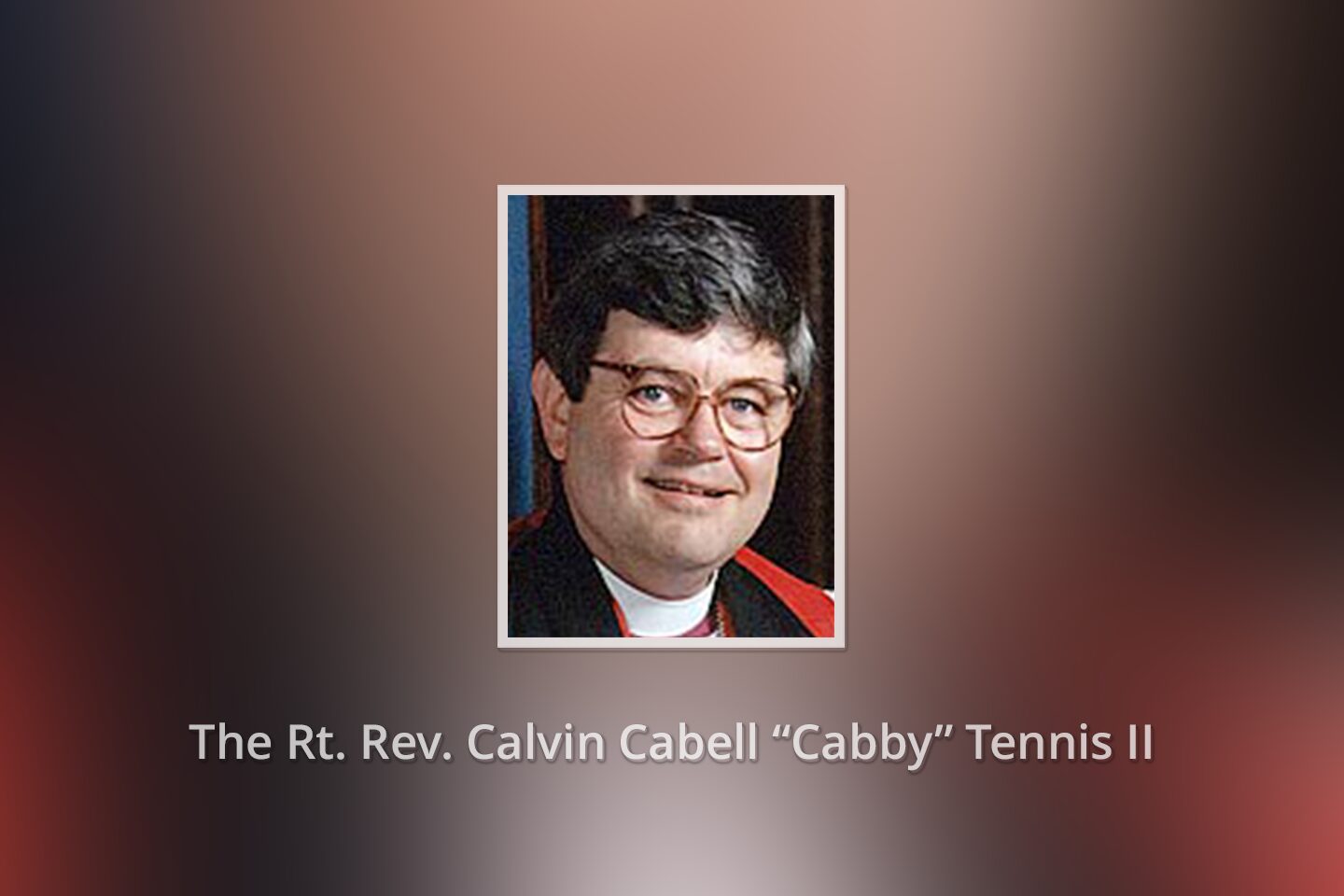
On an unseasonably warm, muggy day 27 years ago, more than a thousand Episcopalians gathered under a big white tent set up on the great lawn in front of St. Andrew’s School. I was about to become Delaware’s new bishop. There is one moment that stands out among many on my first official day as bishop. A central symbolic action of the bishop’s ordination service is the presentation of the staff, or crozier as it is sometimes called.The intricately carved, antique wooden staff used by Delaware’s bishops is almost 150 years old. It symbolizes the bishop’s ministry as chief pastor and shepherd of the diocesan congregations, laity, and clergy. Cabby Tennis presented the staff to me that day. As he placed it in my hands, he concluded eleven years of faithful, devoted service to the Episcopal Church in Delaware.
I always felt honored to follow in Cabby Tennis’ footsteps. He was known as an able and effective leader. But to me he was also a good friend. Cabby and I first met at St. George’s College, Jerusalem, almost 50 years ago. He was the Dean of St. Mark’s Cathedral, Seattle, and already recognized as a senior church leader. I was a young seminarian from Virginia. Even so, he befriended me, and I have happy memories of our weeks in the Holy Land. Later, after becoming bishop, Cabby twice nominated me for parish ministries in Delaware. Once I declined to accept the call, and later a parish chose another priest. It never occurred to me that I might one day be his successor!
As a bishop, Cabby Tennis took a visible public role in Delaware and in the wider Episcopal Church. He was a confident advocate and steady voice for a more just and inclusive church and society. He led by his words and example. He advocated for immigrants’ and workers’ rights in Delaware. He played a key role in establishing and raising funds for the Sussex County Mission. Much of that work continues to this day in the medical clinic, childcare center, and immigration services begun in that era. With his support, the Cathedral Choir School (now referred to as the Choir School of Delaware) expanded its work mentoring and tutoring children in Wilmington. At a time when leadership opportunities were not broadly available, Cabby was a leader, recruiting and deploying ordained women for ministries in Delaware. In the House of Bishops, Cabby was a respected leader. He was an elected member of the national Executive Council. Presiding Bishop Edmund Browning accepted Cabby’s invitation on behalf of the diocese to host the famous “Righter Trial” at the cathedral in Wilmington.
Cabby Tennis was also a visionary. He foresaw the social and economic changes that would shape church life in the coming years. He encouraged the formation of team ministries and fostered lay ministry development. These and other creative strategies were ahead of their time but would become important resources for ministry, especially in small congregations. Drawing upon his background as an attorney, Cabby was an effective administrator. He strengthened the foundation for diocesan ministry, hired able staff in the bishop’s office, and made sure that diocesan finances were stable and in good order. The longer that I served as bishop, the more I came to appreciate all that he had done for the diocese.
And of course, Cabby and Hyde were extraordinary hosts. They were always such good company. My wife Holly and I remember well our first supper with Cabby and Hyde at Bishopstead and how welcome we felt. Over the years, I often met folks who would share their own stories about the warmth of Cabby and Hyde’s hospitality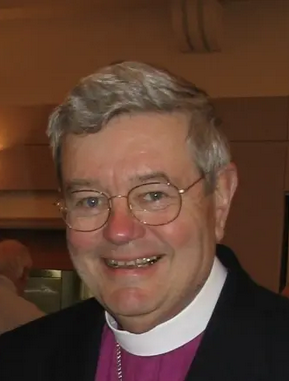 .
.
After leaving Delaware, Cabby and Hyde retired back to Seattle. They had a home in the city and a small cabin in the Cascade Mountains. We would talk from time to time. I would catch him up on Delaware. He would tell me about the joys of family and the extra time to enjoy the beauty of the Pacific Northwest. Invariably,  he would give me a word of encouragement and then end by saying, “If you have to be a bishop, Delaware is the best place to be one.” He was right. I will always be grateful for his friendship and ministry, and will always feel honored to have followed in his footsteps.


Waking Up
Christian
Humility
Over Division
While it
is Still Dark
Where is
God Now?

The Sacred
Overlap
A Season
of Shared Unity

Her Voice
Still Echoes
Remembering
Jo Ann Bland
Bishop
Cabell Tennis
A Remembrance
by Bishop Wright