God calls us not only toward certain forms of ministry, but sometimes away from others, so that we may more clearly embrace the work that is ours to do. When I entered retirement, I found myself standing at a crossroads, listening for the Spirit’s quiet direction. What emerged was a renewed understanding of my lifelong calling — not toward ordained ministry, but toward strengthening the ministry of the laity.
For years, friends and clergy had encouraged me to consider the diaconate. Their support was sincere, and I stepped into discernment with gratitude. Retirement offered something I had not had in decades: time. Time to breathe, time to listen, and time to ask how I might serve in this new chapter of life. I had spent so many years assisting clergy, leading worship, and supporting parish life that the diaconate seemed like a natural continuation.
Yet discernment often reveals not only what we are called toward, but what we are being led away from. As I prayed and reflected, a quiet truth surfaced: the diaconate was not my path. My ministry had never truly centered on stepping into ordained leadership. It had always been rooted in lay development — helping others discover their gifts and strengthening the ministry of the whole community. That realization did not diminish my view of the diaconate; it simply clarified my own vocation.
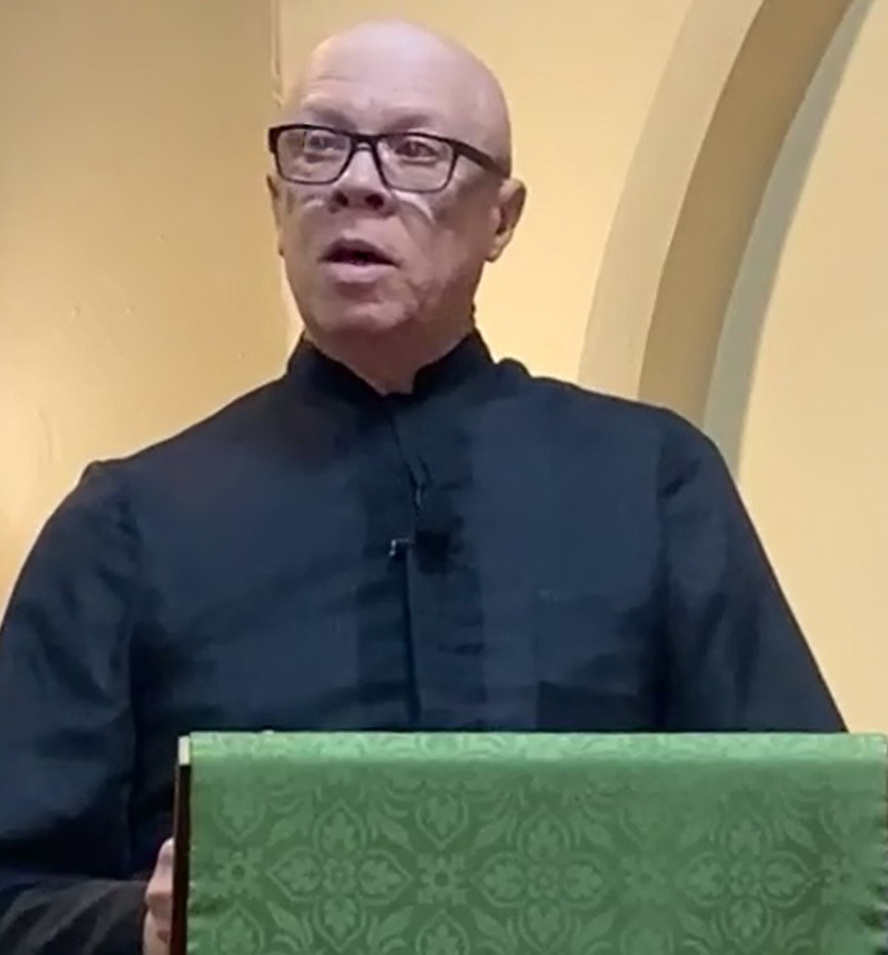
With that clarity, I stepped more intentionally onto the lay track. I believed I had accumulated a solid working knowledge of Scripture and liturgy over the years, but returning to formal study through the Stevenson School for Ministry reminded me how vast and rich our tradition truly is. The coursework required for Worship Leader license renewal and Lay Preacher licensing — Old Testament, New Testament, Prayer Book studies, and homiletics — invited me to revisit foundations, some I thought I knew well, others quite new. Later, lay evangelism studies through the Stevenson School for Ministry added yet another layer of insight.
Introduction to the Old Testament opened a world I had never fully appreciated. Scripture came alive when viewed through historical, literary, traditional, and spiritual lenses. God reveals himself throughout the Old Testament, and Jesus himself drew upon it to teach, challenge, and guide his mission. Introduction to the New Testament, in turn, assumes a deep familiarity with the Old Testament’s law, history, and covenantal story. We learned that the New Testament does not replace the Old, but reveals what the Old Testament establishes — God’s covenant extended to all people through Christ in spirit, faith, and baptism.
Prayer Book studies deepened my appreciation for our Anglican identity. As Episcopalians, the Book of Common Prayer shapes our life from birth to death. Study revealed how profoundly our prayers and rites are woven from the threads of both Testaments. What we say and do in worship is not accidental — it is the living expression of our scriptural heritage.
Homiletics, however, was the most transformative. Studying the craft of preaching — its structure, voice, interpretation, and pastoral sensitivity — gave me new tools and a deeper confidence. I came to understand preaching not as speaking about Scripture, but as opening a window through which we may glimpse God’s presence in our own time. Preaching is an act of prayer on the preacher’s part, supported by a great deal of trust from the congregation.
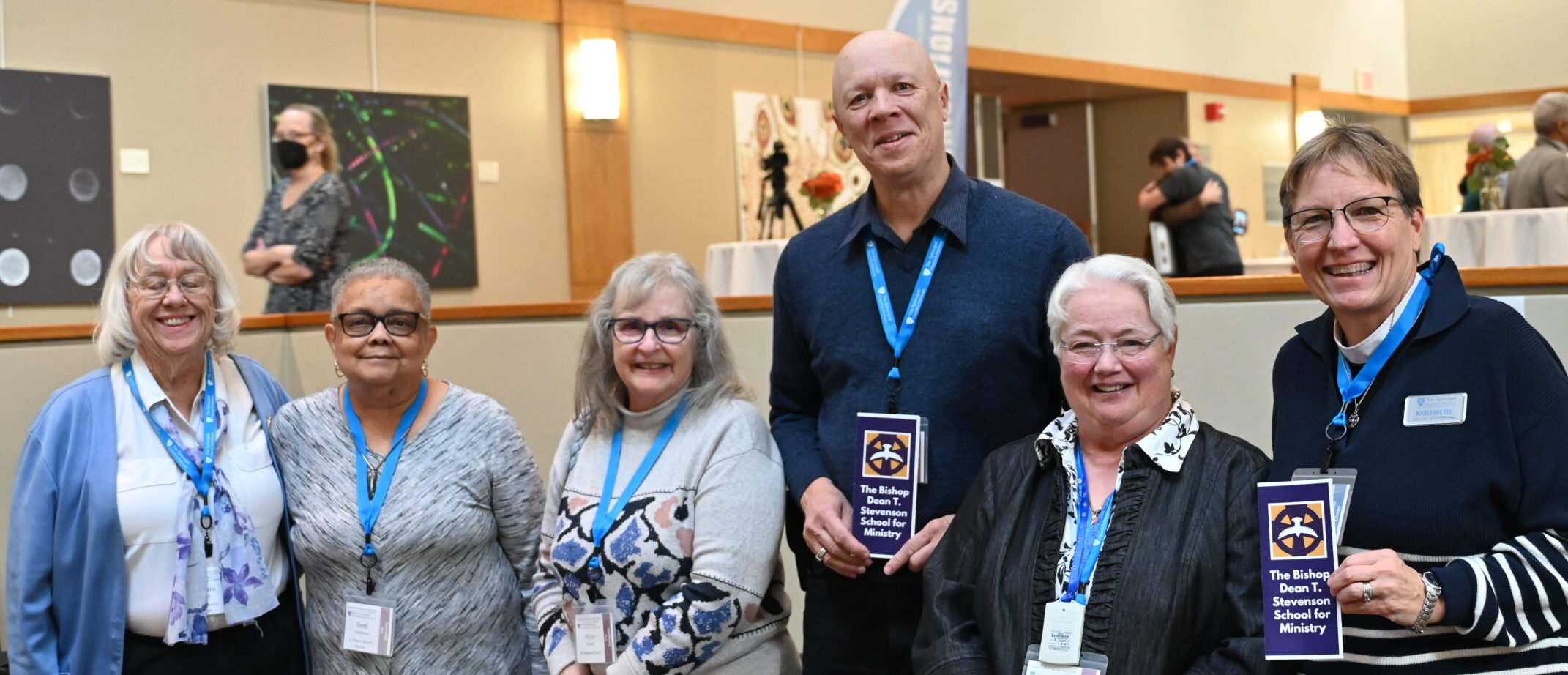
Lay Evangelism Training was the “icing on the cake.” It tied together many aspects of parish life. We often think of evangelism as bringing new people into the church, but it also strengthens those already active in the community. Newcomers often need simple, direct answers. Longtime members benefit from deeper understanding — who we are as Christians, why we worship as we do, and how we continue growing in faith.
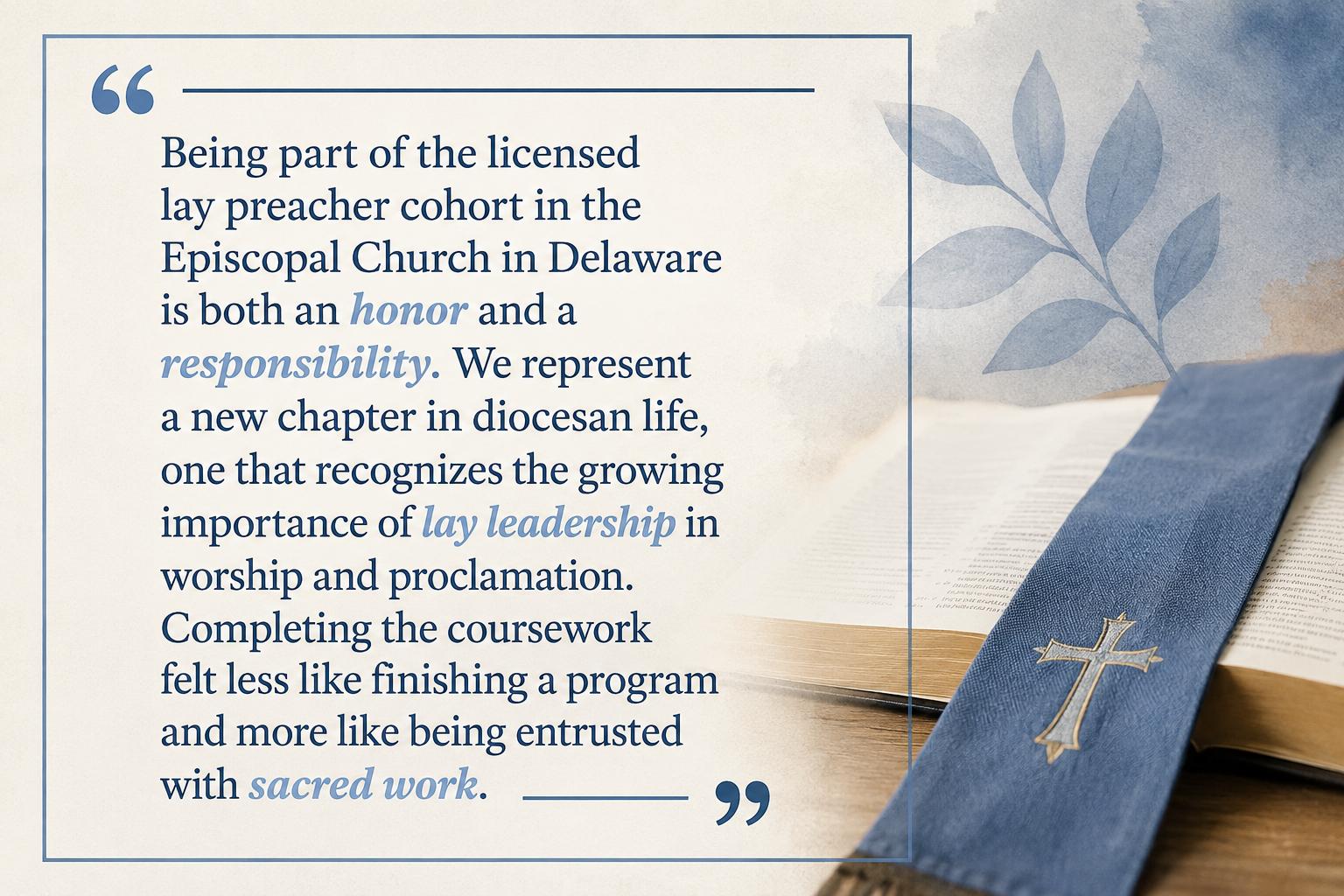 Being part of the licensed lay preacher cohort in the Episcopal Church in Delaware is both an honor and a responsibility. We represent a new chapter in diocesan life, one that recognizes the growing importance of lay leadership in worship and proclamation. Completing the coursework felt less like finishing a program and more like being entrusted with sacred work.
A classmate asked the homiletics instructor, “How does a lay preacher approach the sermon? What should the lay preacher’s voice be?” His answer has stayed with me: “The priest instructs the congregation. The deacon brings the Church to the world and the world to the Church. The lay preacher’s role is a gift.”
That “gift” has taken on particular meaning for me at St. Luke’s in Seaford, a lay-led parish where the laity — not the clergy — carry responsibility for parish operations and orderly worship. We share ministry with our supporting clergy. When a priest is not scheduled or unavailable, worship is led by a Lay Worship Leader or by me as Lay Worship Leader/Lay Preacher. Preaching as a layperson carries a distinctive perspective, rooted in the parish experience. The gift entrusted to me is to preach on subjects affecting our parish and community through the lens of the Gospel.
As my studies concluded, I returned again to the ministry that had shaped my discernment from the beginning: forming lay leaders. When laypeople take ownership of worship and ministry, the congregation becomes more resilient, more engaged, and more connected. Worship becomes something done with the people, not for them. I have seen parishioners discover joy in offering reflections, assisting at the altar, and supporting pastoral care. Their gifts enrich the church in ways no single clergy person could accomplish alone.
Lay ministry and leadership have also shaped my relationship with clergy. Rather than viewing lay leadership as a substitute for ordained presence, it is embraced as a partnership. Clergy have encouraged and affirmed the work of lay preachers and worship leaders, recognizing that shared ministry strengthens the parish. Together, we have fostered a culture where leadership is recognized in all who feel called to serve.
I believe the emergence of licensed lay preachers has opened new possibilities for the Episcopal Church in Delaware. Our cohort demonstrates that laypeople can preach faithfully and pastorally. We show that the Church can expand its understanding of who proclaims the Gospel and how that proclamation enriches the community.
Developing lay leaders is not a program — it is a relationship. It begins with listening, noticing gifts people often overlook in themselves, and offering encouragement at just the right moment. I have watched people step into leadership with uncertainty, only to grow into confident ministers of the Gospel.
Looking back on four decades of lay ministry, I do not see a straight path but a journey shaped by community, sustained by prayer, and continually renewed by the Spirit’s nudges. Becoming a licensed lay preacher was not the culmination of my vocation but another chapter unfolding. And in that unfolding, the opening truth remains: God calls us toward the work that is ours to do.
For me, that work is helping the laity claim their place in the life of the Church — so that together, clergy and lay leaders alike may proclaim the Good News with strength, humility, and joy.
My
Calling
To Lay
Preaching
Planting
Seeds
for the Renewal
of the Church
Operation
West Laurel
Community Action
Grounded in Faith

PEACE
Center
Presbyterian Episcopal
Alliance for Campus Engagement