The Episcopal Church in Delaware
Delaware Communion Magazine | Spring 2026
- 302.256.0374
- www.delaware.church
The Sacred Overlap
a Season of Shared Unity
Let us use this time to learn from one another. Let us stand in solidarity during the quiet reflections of Lent, share in the community spirit of an Iftar, embrace the Baha’i vision of a unified world, and celebrate the joy of Purim
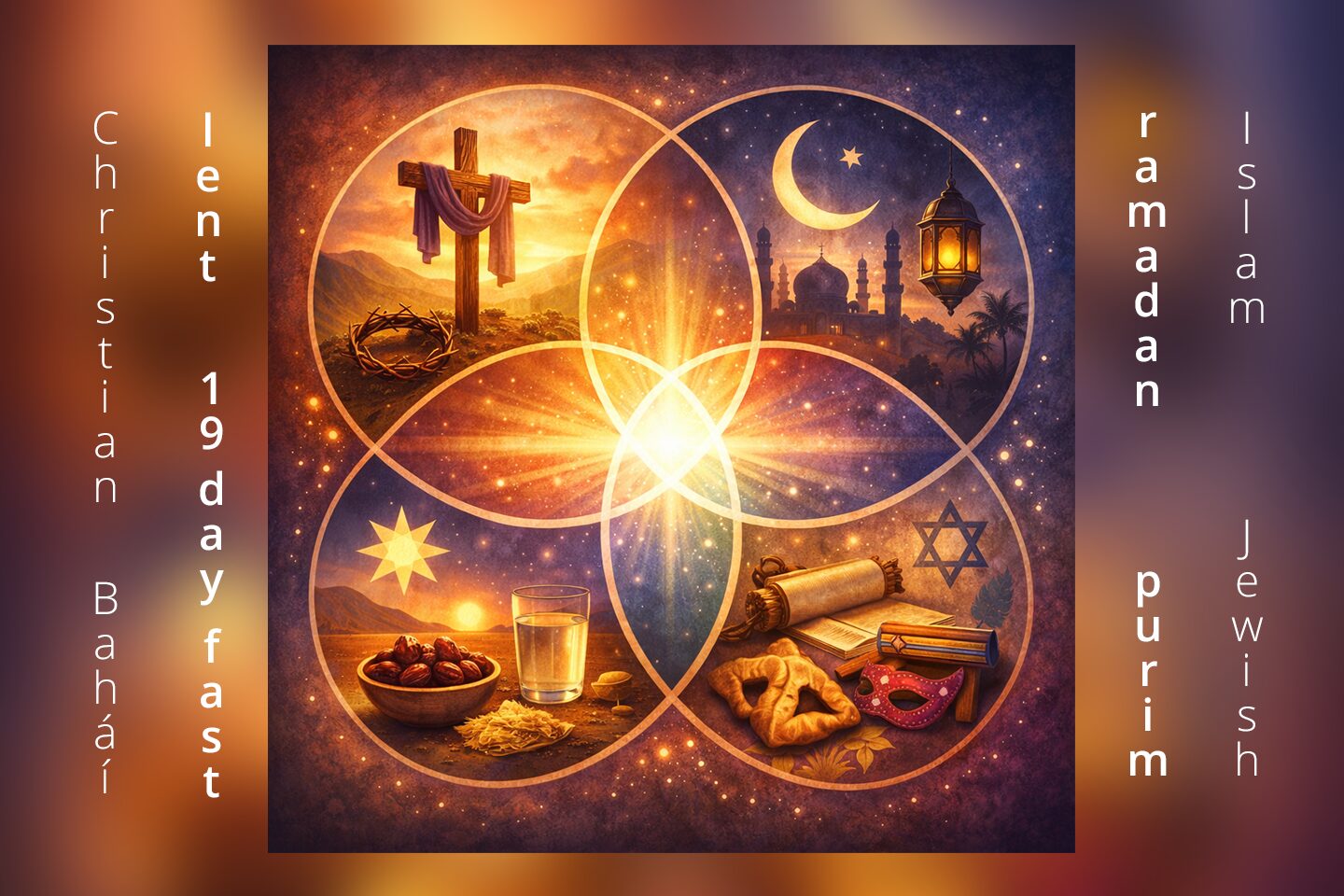
Photo generated by AI
by the Rev. Dr. Elizabeth Kaeton, Irfan Patel, Ormand L. O’Neal, Sr., and Rabbi Michael Beals
Editors note: The introductory reflection (“Into the Woods”) was written by the Rev. Dr. Elizabeth Kaeton specifically for the Delaware Communion. The essay that follows was written collaboratively by all four authors and was originally submitted as a letter to the editor to newspapers across Delaware, where it was published in several outlets.
I’ll begin with a Hasidic tale as told by
Rabbi Geoffrey A. Mitelman.
There was once a young boy who would wandered in the woods. His father became concerned as he went deeper and deeper into the forest each time. One day he said to him, “I notice that every day you walk into the woods. Why do you go there?”
The boy replied, “I go there to find God.”
“That’s wonderful,” the father said. “But don’t you know that God is the same everywhere?”
“Yes,” the boy answered, “but I am not.”
Into the Woods — and Together
Every year, I enter the wilderness of Lent, as I have for as long as I can remember. As a child, I would piously give up penny candy, which felt like a huge sacrifice to my young mind. I had earned the money for that candy from my paper route. It was hard work.
It wasn’t until I was much older that I realized the resentment I harbored likely negated any spiritual benefit from my Lenten discipline. A serious child, steeped in the simple transactional logic of substitutionary atonement, I worried that my resentment might have caused Jesus to reconsider the sacrifice he had made for my seemingly unredeemable soul.
As a young adult, I began to trade the transactional nature of sacrifice for the transformation promised in a holy Lent. I experimented with the latest au courant theology of “taking on” instead of “giving up.” I gleefully took on ballroom dancing, horseback riding, and swimming lessons. Those practices worked for a while, but something still felt unsettled and unsatisfying.
There was an inexplicable yearning in me, an indescribable longing for something less tangible — a desire for the mysterious. Slowly, I discovered the invitation to be made more whole and holy by entering the risks of sacrifice held in the wilderness, letting go of my expectations for outcomes.
Like the little boy in the Hasidic tale, I still walk into the woods of Lent to find God. But now I listen for what the modern mystic Howard Thurman called “the sound of the genuine” — the authentic, essential self within each person, a divine still small voice that exists beneath the noise of societal pressures, ambitions, and fears. Thurman taught that listening for this voice can lead to the discovery of one’s unique purpose and true calling.
For me, making the sacrifice of stillness — risking being fully present in the unknown terrain of the woods — and allowing what needs to die within me to die, leads toward transformation. It leads toward resurrection. It opens into the unspeakable, mysterious joy of Easter first known by the apostles.
The Lenten woods are the same. I am not the same. I am becoming more fully who I am, so that I can become more deeply part of the whole of creation. I am less concerned about how my sacrifice benefits me and more passionate about the well-being of my neighbor — about working to end oppression and to foster greater peace and justice in the world.
This year, because of a remarkable convergence of calendars and the varied ways our traditions mark sacred time, I have found others waiting at the entrance to these woods.
The Sacred Overlap
As the winter chill softens into the first hints of a Delaware spring, four of the world’s ancient spiritual rhythms beat in unison. The Christian season of Lent (February 18 – April 2), the Islamic holy month of Ramadan (began on February 18th), the Baha’i 19-Day Fast (March 1 – March 19), and the Jewish holiday of Purim (begins Monday night, March 2 and continues through Tuesday, March 3) will overlap in a rare and powerful convergence.
To the casual observer, this may seem like coincidence. But for those of us who lead faith communities in the First State, it feels like invitation.
At a time when national discourse is often fractured, the 2026 calendar offers both a physical and spiritual blueprint for how Delawareans might move toward one another.
The Common Ground of Sacrifice
While our traditions differ, fasting and reflection form a shared language. Whether it is the forty-day Lenten journey, the daily fast from sunrise to sunset during Ramadan, or the Baha’i period of spiritual recuperation from March 1 to March 20, the intent is similar — prioritizing the soul over the ego.
On Monday, March 3, our Jewish neighbors celebrate Purim, honoring the courage of Queen Esther. Like the other traditions observing sacred seasons, Purim — and the preparation for Passover that follows — reminds us that spiritual celebration is incomplete if it does not look outward to the needs of others.
The Root of Righteousness —
Tsedaka and Sadaqah
Perhaps the most striking bridge among our traditions this season is the call to give.
In Judaism, Purim requires matanot la’evyonim — gifts to the poor. This spirit of righteous giving extends into Passover, ensuring that every family can gather at the Seder table.
There is a beautiful linguistic truth beneath this shared ethic: the Hebrew word for charity, tsedaka, and the Arabic word, sadaqah, share the same ancient Semitic root. Both speak not merely of voluntary charity, but of righteousness — of justice.
When the church, the mosque, the synagogue, and the Baha’i assembly are focused on the vulnerable at the same time, our capacity for impact multiplies. Our shared hunger and shared history call us to ensure that none of our neighbors in Wilmington, Dover, or Georgetown go without.
A Message of Solidarity
We invite our congregants — and all people of goodwill — to see this overlap not as a competition of faiths, but as a chorus of devotion.
Let us use this time to learn from one another. Let us stand in solidarity during the quiet reflections of Lent, share in the community spirit of an Iftar, embrace the Baha’i vision of a unified world, and celebrate the joy of Purim.
By practicing our faiths alongside one another, we discover that we are not so different. By giving together, we find that our hopes for peace and justice are shared.
This spring, may our shared sacrifice become the soil in which deeper understanding grows across the First State. And may we enter these woods not as we were, but as we are becoming.
About the Authors:
The Rev. Dr. Elizabeth Kaeton is an Episcopal priest and scholar who has served various congregations throughout Sussex and Kent County. Elizabeth wrote the introduction to this piece.
Irfan Patel serves as leader and the interfaith chair for the Islamic Society of Delaware.
Ormand L. O’Neal, Sr. is a representative of the Baha’i Faith and an advocate for racial unity.
Rabbi Michael Beals is the leader of Temple Beth El in Newark, known for his civic leadership and commitment to interreligious cooperation.
Waking Up
Christian
Humility
Over Division
While it
is Still Dark
Where is
God Now?
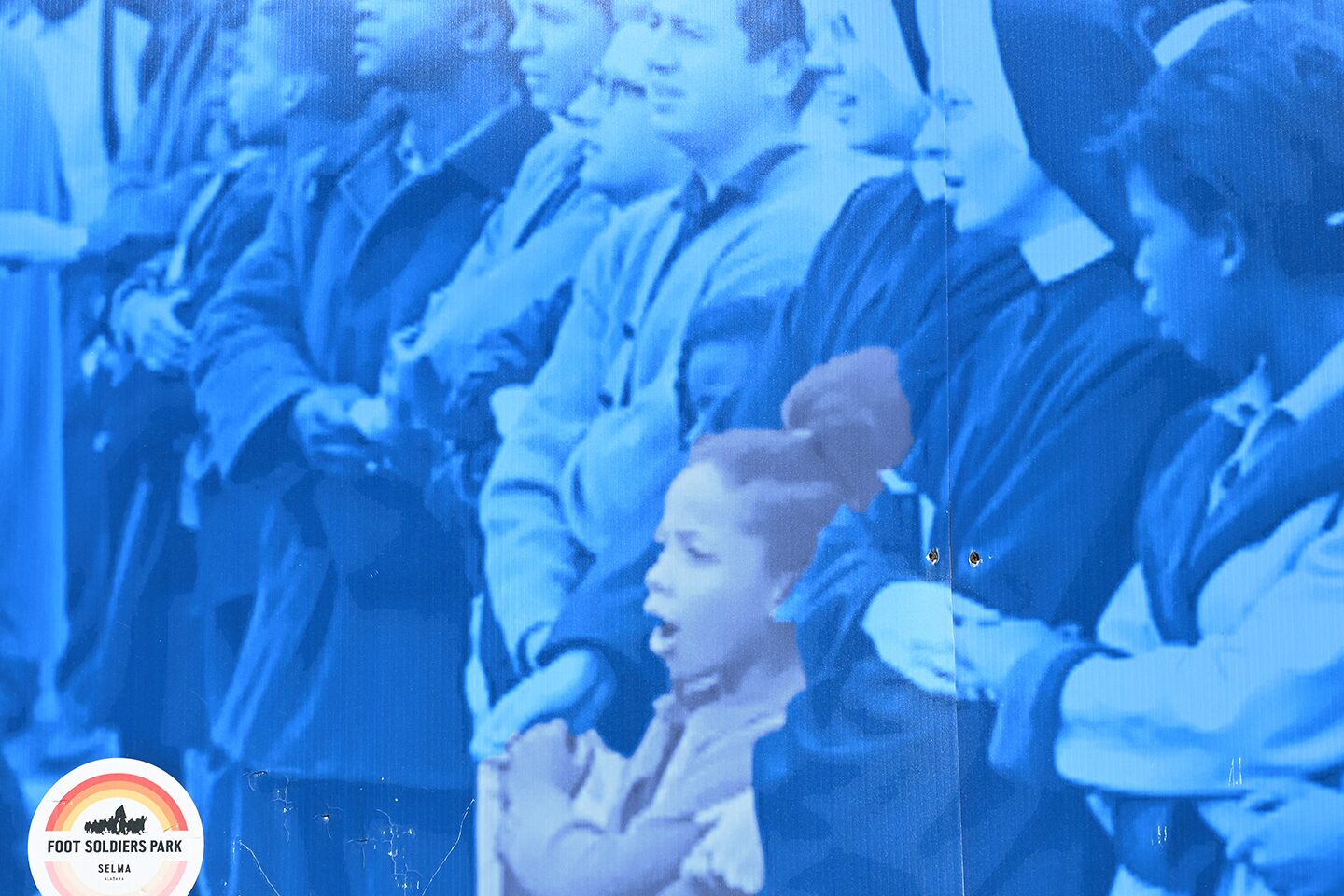
Her Voice
Still Echoes
Remembering
Jo Ann Bland
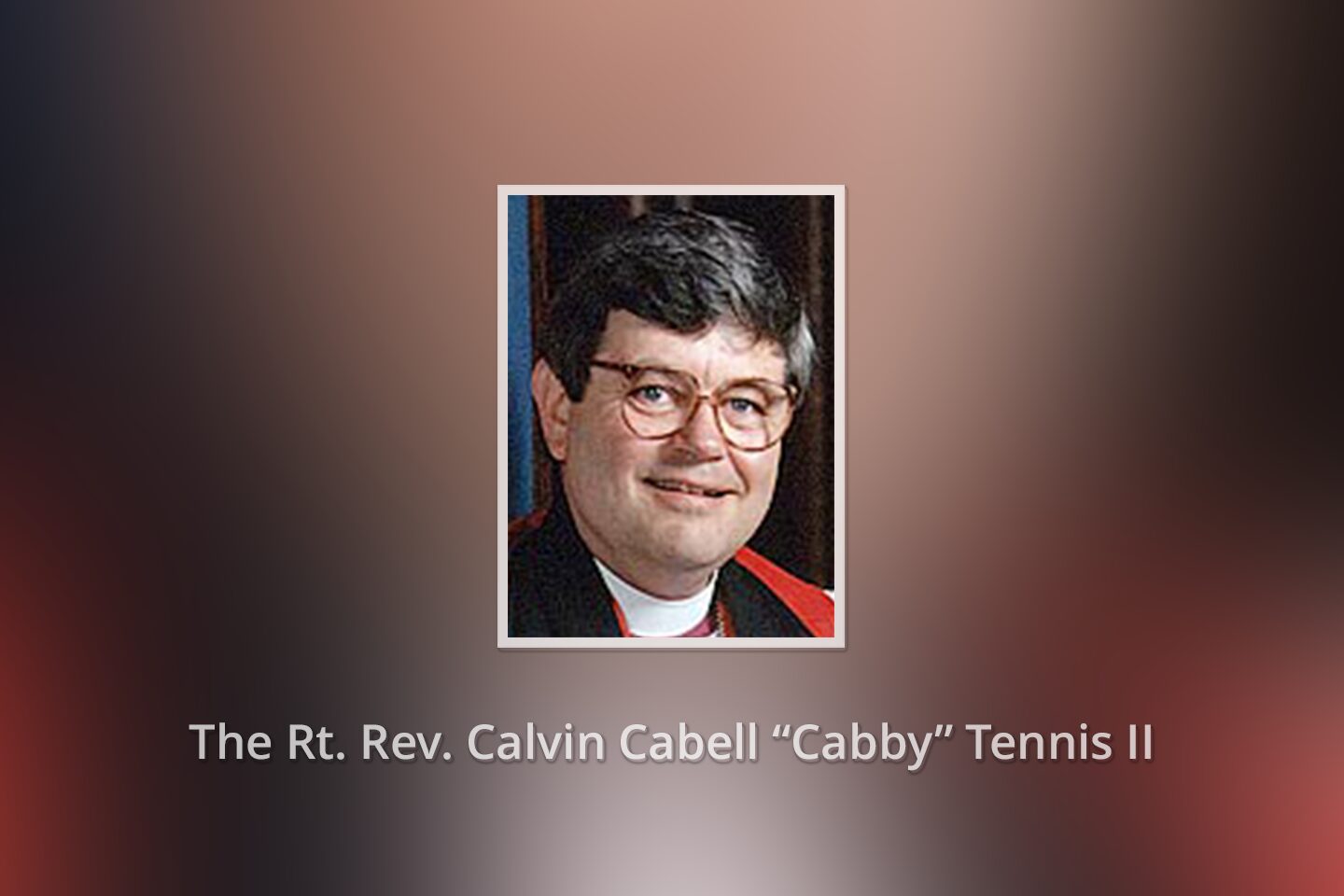
Bishop
Cabell Tennis
A Remembrance
by Bishop Wright